328 – Understanding and Improving Your Relationship with Dr. Stan Tatkin
LISTEN TO THE EPISODE
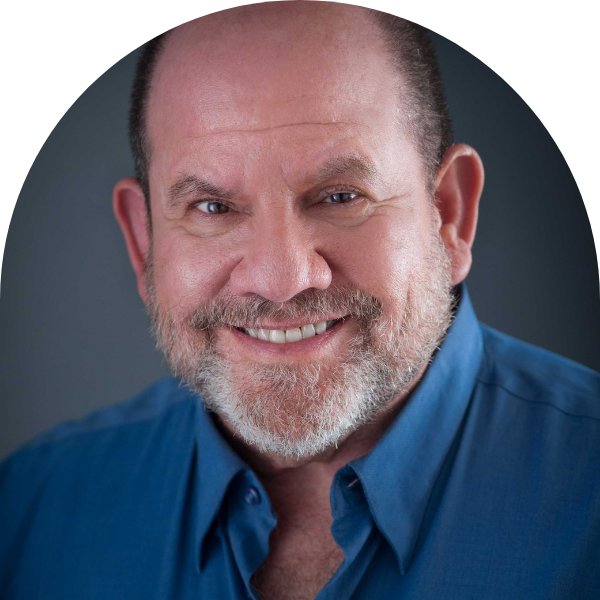
Episode Summary
We have all heard that relationships are hard work, but why are they so hard?
In this episode, I’m joined by Dr. Stan Tatkin for a fascinating conversation about relationships, attachment, projection, and how our brains, bodies, nervous systems, and survival instincts can either help or hurt our closest connections.
Dr. Tatkin looks at relationships through the lens of psychobiology, which helps us understand why we react the way we do in love. Our self-preservation instincts can make us defensive, reactive, protective, or focused on our own needs, even when what we deeply want is connection, safety, and intimacy.
We talk about why we choose the partners we do, why certain relationship dynamics feel familiar, how projection works, and why relationships often change after marriage. Dr. Tatkin also explains how the brain can “get used to” a partner over time and why curiosity is one of the keys to keeping connection and attraction alive.
This conversation is such a powerful reminder that great relationships are not built on love alone. They are built on shared values, shared principles, mutual protection, intentional habits, and a willingness to think beyond “me” and into “we.”
When a relationship has its own identity, purpose, and vision, both partners can begin making choices that support the health of the whole relationship. This is where loyalty, intimacy, safety, and long-lasting love can grow.
Key Takeaways:
Relationships can feel difficult because our survival brains often prioritize self-protection over connection
The brain, body, nervous system, and attachment system all affect how we show up in relationships
We often choose partners who feel familiar because of early attachment patterns and unconscious conditioning
Projection happens when we place old experiences, fears, or stories onto our partner
Relationships can change after marriage because the sense of safety, expectation, and commitment shifts
Self-preservation can sabotage intimacy when we focus only on protecting ourselves
A purpose-centered relationship helps both partners work toward the good of the relationship, not only individual needs
Healthy relationships require shared values, shared principles, and mutual responsibility
Conflict can be handled more effectively when both partners stay focused on connection and repair
The brain can get used to a partner over time, but curiosity helps keep the spark alive
Strong partnerships are built through intentional habits, loyalty, safety, and ongoing attention
Secure Relationships
Secure relationships are built when both partners feel safe, protected, respected, and connected. They are not created by avoiding conflict or pretending everything is perfect. They are created when both people are willing to look at how they show up, take responsibility for their reactions, and make choices that serve the relationship as a whole.
Related Episodes
You may also enjoy:
252: Find Your Adult and Change Your Relationships
473: Are You Being Gaslit? Here’s How To Know For Sure
517: Emotions Are Our Superpower… Here’s Why
Resources:
Dr. Stan Tatkin Website
https://www.thepactinstitute.com/
Dr. Stan Tatkin Retreats for Couples
https://www.thepactinstitute.com/retreats
More Adult Chair:
The Adult Chair® Membership
Instagram: https://www.instagram.com/themichellechalfant
Facebook: https://www.facebook.com/TheMichelleChalfant
The Adult Chair® Facebook Group: https://www.facebook.com/groups/theadultchair