279: Narcissistic Abuse Explained with Caroline Strawson
LISTEN TO THE EPISODE
Episode Summary
Sometimes, it takes losing everything you know to begin the journey of healing.
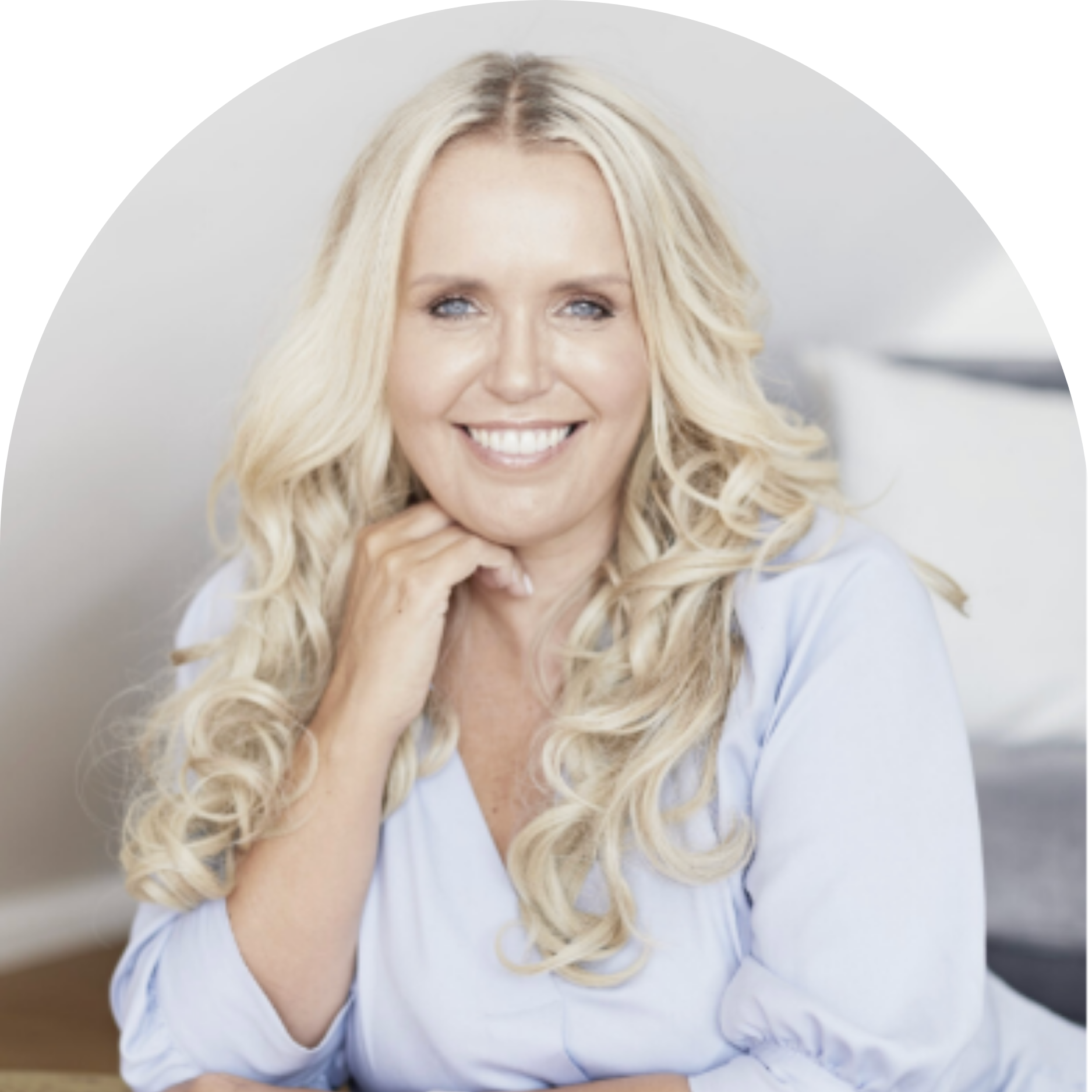
In this episode, I’m joined by Caroline Strawson, an internationally recognized trauma-informed therapist and coach who helps people heal from narcissistic abuse and complex PTSD. Caroline’s work began through her own story of loss and survival. In a short period of time, her mother passed away, her narcissistic husband left her and their two young children, and she discovered he had put them into $100,000 of debt, which ultimately led to losing her home and the life she had built.
Facing PTSD, anxiety, depression, self-harm, guilt, and shame, Caroline turned inward and began looking at herself, her relationships, her nervous system, and her wounds in a deeper way. What she discovered became the foundation for her work helping others recover from abuse, trauma, and complex PTSD.
In this conversation, Caroline shares how she recognized narcissistic abuse, why codependents and narcissists are often drawn to each other, how childhood wounding creates protective parts, and why the nervous system is always trying to keep us safe. We also talk about how to support someone in an abusive relationship, the difference between PTSD and complex PTSD, and how to begin building self-worth even if you are still inside an unhealthy relationship.
Whether you have experienced narcissistic abuse or simply want to better understand trauma, self-worth, codependency, and healing, this conversation offers so much compassion, clarity, and hope.
Key Takeaways
Narcissistic abuse can distort reality and deeply impact self-worth
Caroline’s healing journey began after profound loss, betrayal, debt, and the collapse of the life she had known
Trauma is not just what happened. It is what we feel and believe about what happened
The nervous system is always trying to protect us and move us away from perceived pain
Childhood wounding can create protective parts that shape how we relate to ourselves and others
Codependents and narcissists can be drawn to each other because both are trying to soothe self-worth wounds in different ways
We can have compassion for wounded people without accepting abuse
It is easier for the codependent to change because they are often more willing to look inward and do the healing work
PTSD and complex PTSD are different, and complex trauma often comes from ongoing relational wounds
Building self-worth helps us see reality more clearly and stop doubting ourselves
Grounding and getting the five senses online can help us reconnect with what is true in the present moment
Complex PTSD
Complex PTSD, often called C-PTSD, can develop from ongoing or repeated trauma, especially in relationships where there is emotional abuse, control, fear, instability, or chronic lack of safety. Unlike PTSD, which is often connected to a single traumatic event, complex PTSD is usually tied to prolonged experiences that shape how we see ourselves, others, and the world around us.
Related Episodes
You may also enjoy:
512: Narcissism Explained
196: Spotting Covert Narcissism
426: How to Work with Your Inner Child
Resources:
Caroline Strawson Website
https://www.carolinestrawson.com/
Caroline Strawson Facebook
https://www.facebook.com/carolinestrawson/
Caroline Strawson Instagram
https://www.instagram.com/carolinestrawson/
“Divorce Became My Superpower” (Caroline Strawson Book)
https://www.amazon.com/Divorce-Became-Superpower-Caroline-Strawson/dp/1726255549
More Adult Chair:
Instagram: https://www.instagram.com/themichellechalfant
Facebook: https://www.facebook.com/TheMichelleChalfant
The Adult Chair® Facebook Group: https://www.facebook.com/groups/theadultchair