211 – Empaths and Highly Sensitive Persons with Dr. Judith Orloff
LISTEN TO THE EPISODE
Episode Summary
If you have felt sensitive, intuitive, or different your whole life, you may be an empath.
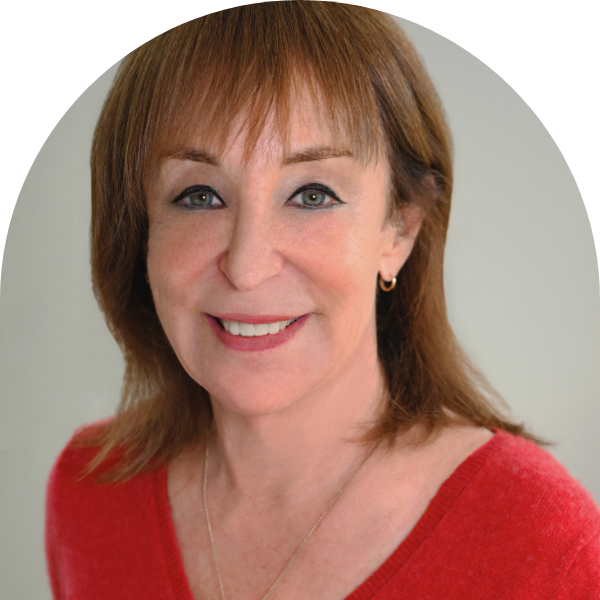
In this episode, I’m joined by Dr. Judith Orloff, a psychiatrist, healer, and author who has written extensively about how empaths can survive and thrive in the world. Dr. Orloff brings so much wisdom to this conversation about what it means to be an empath, how to recognize empath traits, and how to care for yourself when you feel deeply affected by the emotions, energy, and environments around you.
For many empaths, the word “empath” can feel like a relief. It gives language to the experience of being highly tuned in, deeply caring, intuitive, and affected by the world around us. What may have once been called “too sensitive” can actually be understood as a beautiful gift.
But being an empath also comes with challenges. Empaths can become overwhelmed, exhausted, dysregulated, or emotionally flooded when they do not have the tools to care for their energy and nervous system. Dr. Orloff shares common traps empaths fall into, including chronic sensory overload, emotional overwhelm, addiction, anger, and relationships with narcissists.
This episode is a powerful reminder that empaths are kind, loving, and deeply sensitive people who can thrive when they learn how to protect their energy, set boundaries, practice self-care, and offer themselves the same compassion they so freely give to others.
Key Takeaways:
Empaths are highly sensitive to the emotions, energy, and environments around them
Many empaths have felt different, sensitive, or intuitive their whole lives
Being an empath is not a weakness. It can be a beautiful gift
Empaths often have a hard time blocking out the world around them
Without self-care and boundaries, empaths can become overwhelmed, exhausted, or dysregulated
Chronic sensory overload can affect an empath’s emotional and physical well-being
Empaths may be drawn to narcissists because of their deep empathy, compassion, and desire to help
Addiction, anger, and numbing can become ways empaths try to cope with overwhelm
Self-care is essential for empaths to stay healthy, centered, and balanced
Learning to protect your energy helps you live more empowered as an empath
Empaths can thrive when they are kind and loving toward themselves, not only toward others
Empath Self-Care
Empath self-care is essential for anyone who feels deeply affected by the emotions, energy, and needs of others. Empaths often sense what is happening around them very quickly, and without boundaries or tools for regulation, they can absorb too much and feel overwhelmed, exhausted, or off-balance.
Related Episodes
You may also enjoy:
301: Narcissism 101: What It Is & How To Heal It
306: Empath vs. Highly Sensitive Person (HSP)
517: Emotions Are Our Superpower… Here’s Why
Links & Resources
Judith Orloff Website
Judith Orloff Book: “The Empath’s Survival Guide”
https://www.amazon.com/Empaths-Survival-Guide-Strategies-Sensitive
Judith Orloff Book: “Thriving As An Empath”
https://www.amazon.com/gp/product/1683642910
Judith Orloff Empath Support Facebook Group
https://www.facebook.com/groups/929510143757438/
More Adult Chair:
Instagram: https://www.instagram.com/themichellechalfant
Facebook: https://www.facebook.com/TheMichelleChalfant
The Adult Chair® Facebook Group: https://www.facebook.com/groups/theadultchair